Health-Conscious Luxury
The goal was not to abandon tradition, but to make roast duck feel lighter, cleaner, and more aligned with modern premium dining expectations.
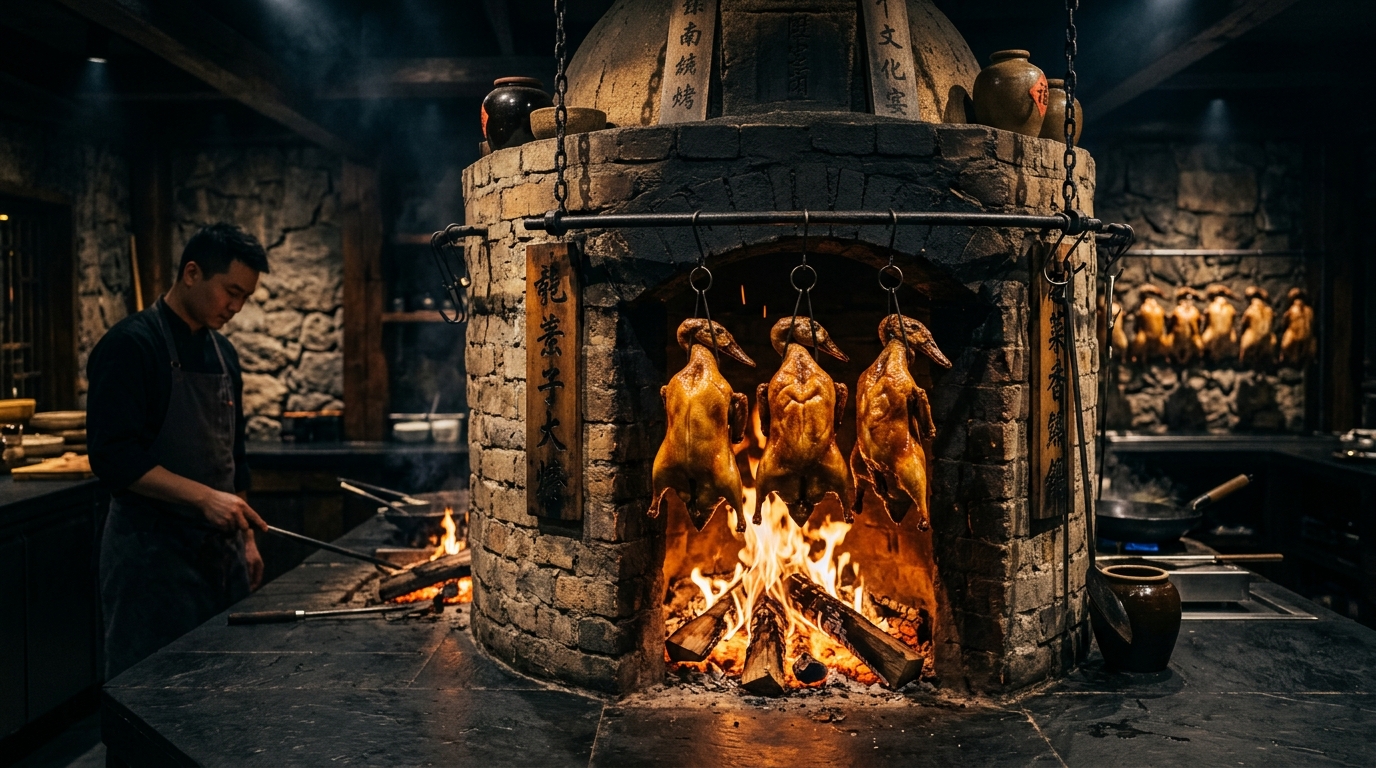
Technical founder of Imperial Duck King and a sixth-generation heir to the imperial roast duck tradition.
"Ducks' King" was co-founded with the participation of Liu Enlai around 2000, with the brand company established in 1997. As the technical force behind the concept and a sixth-generation inheritor of imperial roast duck craft, he helped turn the brand into one of Beijing's most recognized names in roast duck.
Ducks' King became known for solving one of the category's oldest problems: the heavy, greasy impression associated with traditional roast duck. That shift helped define the era of "new-style roast duck" in Beijing dining.
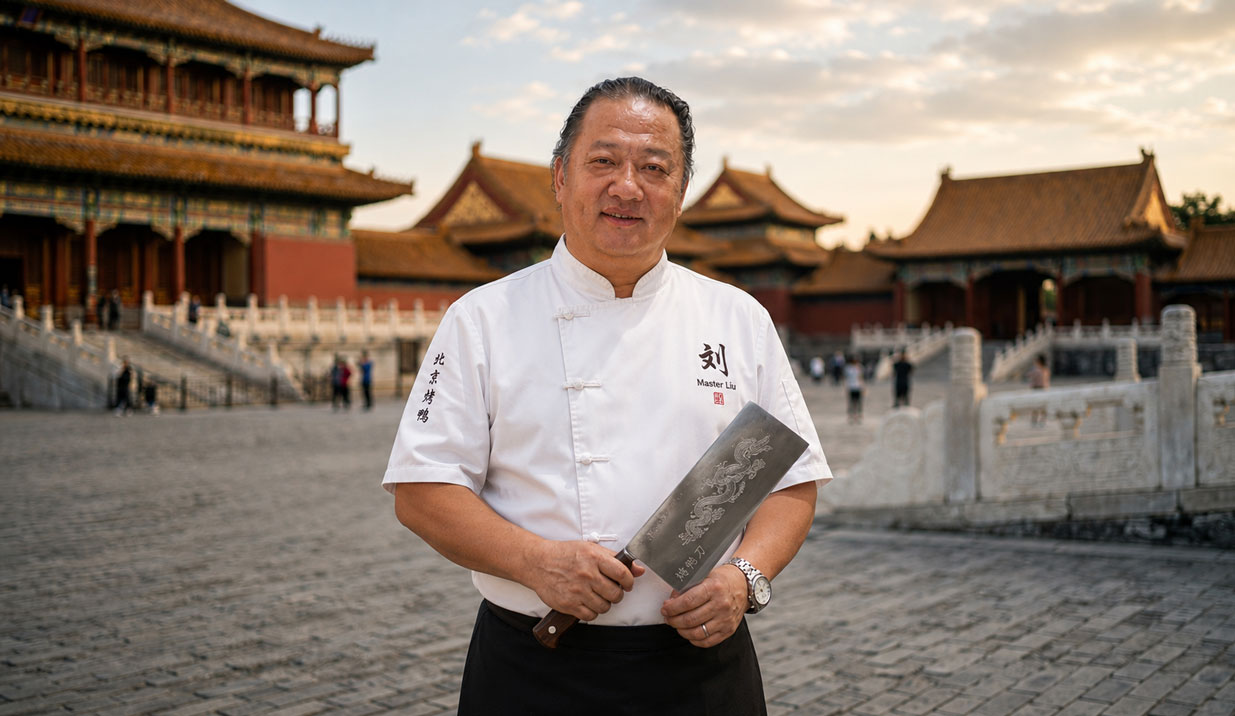
Tap or click to view the technical innovations that shaped Imperial Duck King's reputation.
He improved duck preparation and roasting temperature control to drive out more subcutaneous fat and achieve meat that was rich without greasiness and lean without dryness.
Liu Enlai created a distinctive carving method in which the skin and meat remain connected in extremely thin slices, giving the duck a layered texture and a near melt-in-the-mouth finish.
In later years, he became an early advocate for combining combi-steam ovens with traditional roast duck technique to improve consistency, standardization, and replication at a high-end level.
Before Ducks' King, Beijing roast duck was largely dominated by two traditional schools: Quanjude's hanging-oven style and Bianyifang's closed-oven style. Liu Enlai had already trained for years at Quanjude's Hepingmen flagship and also participated in the creation of Honglian Quanjude and Jiuhuashan Quanjude branches.
With that traditional foundation, he saw a clear shift in consumer taste toward food that felt healthier, lower in fat, and more refined. Using Ducks' King as the platform, he introduced a new-style hanging-oven roast duck known for its deep jujube-red color, crisp skin, tender interior, clean aroma, and delicate finish.
The goal was not to abandon tradition, but to make roast duck feel lighter, cleaner, and more aligned with modern premium dining expectations.
The brand's market position came directly from Liu Enlai's control over fat reduction, roasting balance, carving precision, and whole-duck menu development.
From kitchen process to later equipment integration, the method moved toward a form that could be taught, standardized, and reproduced across multiple locations.
In the early 2000s, Imperial Duck King expanded rapidly into a major premium dining brand in Beijing, with large-format branches including the Nationalities Park flagship, Jianguomen, Guang'anmen, and Zuojiazhuang locations. Multiple stores were recognized as five-star national special-grade restaurants, and all locations held Beijing's top food hygiene rating.
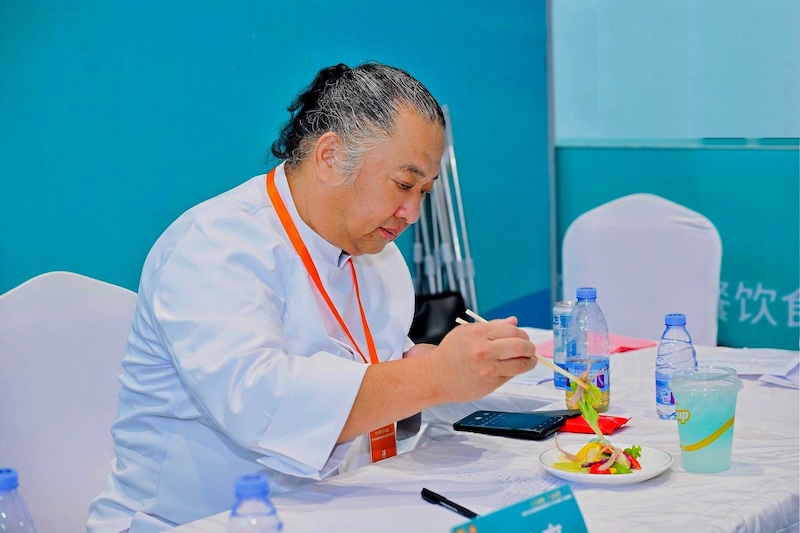

Liu Enlai used deep traditional training to challenge the greasy profile of classic roast duck and introduce a lighter, more refined hanging-oven product.
Imperial Duck King expanded beyond the roast bird itself with signature dishes such as duck broth fish fillet, reinforcing the idea that technical invention could reshape the full duck banquet.
During the brand's rise, Liu Enlai pushed an unusually modern promotion strategy by sending branded plastic bags across Beijing, turning everyday takeout traffic into citywide brand advertising.
Imperial Duck King later became the center of a nationally noted trademark dispute with Shanghai Huaihai Quanjude. Beijing Imperial Duck King prevailed, and the case was later listed by the Supreme People's Court as one of China's top ten innovative intellectual property cases of 2013.