
A premium duck program begins with procurement truth
.webp)
Within three days of arrival, Master Liu was already inside Lausanne’s purchasing environment studying how restaurants actually buy. That matters because a roast duck program is not built on romance. It is built on repeatable access to seasonings, produce, meat, and operating materials at the right cost structure.
He found the familiar European reality: centralized purchasing, strong product availability, delivery channels that can undercut institutional pricing, and cross-border buying pressure from France. That is exactly the kind of information a serious overseas operator needs before promising a premium duck line.
The duck body decides the process
.webp)
Swiss duck supply did not perfectly match the body conditions preferred by the classical Beijing duck skin-setting process. The birds were fresh and well cleaned, but often carried more feather work and thinner skin, which raises the risk of rupture during inflation.
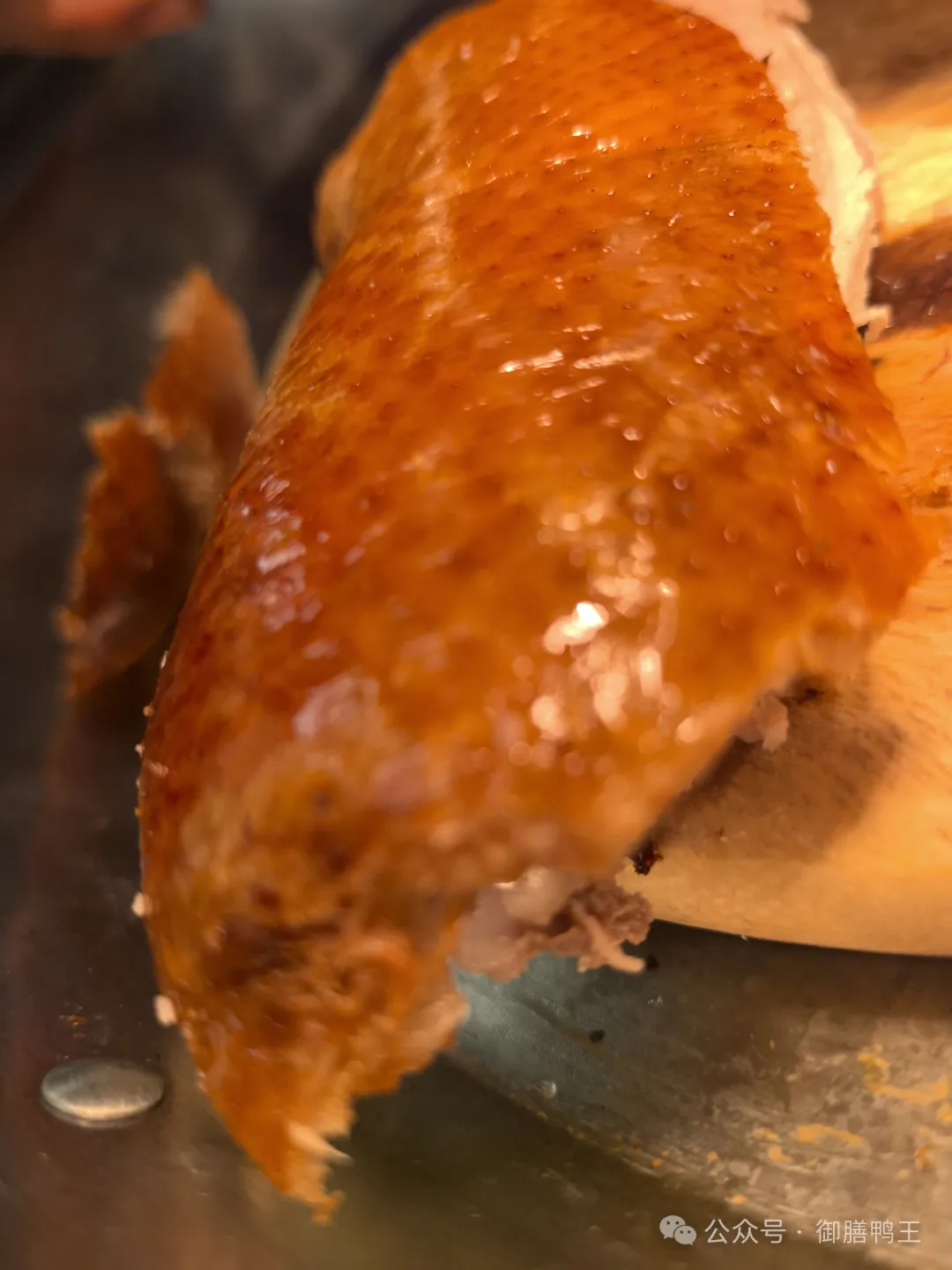
That is where real expertise matters. Instead of forcing the old process unchanged, Master Liu combined traditional Beijing roast duck glazing logic with blank-making ideas closer to Cantonese roast duck, preserving the premium identity while adapting to the reality of the bird.
This is the export lesson: authentic technology is not rigid imitation. It is the ability to reproduce the signature outcome under local constraints.
Heat, drying, glazing, and oven behavior were recalibrated on site
.webp)
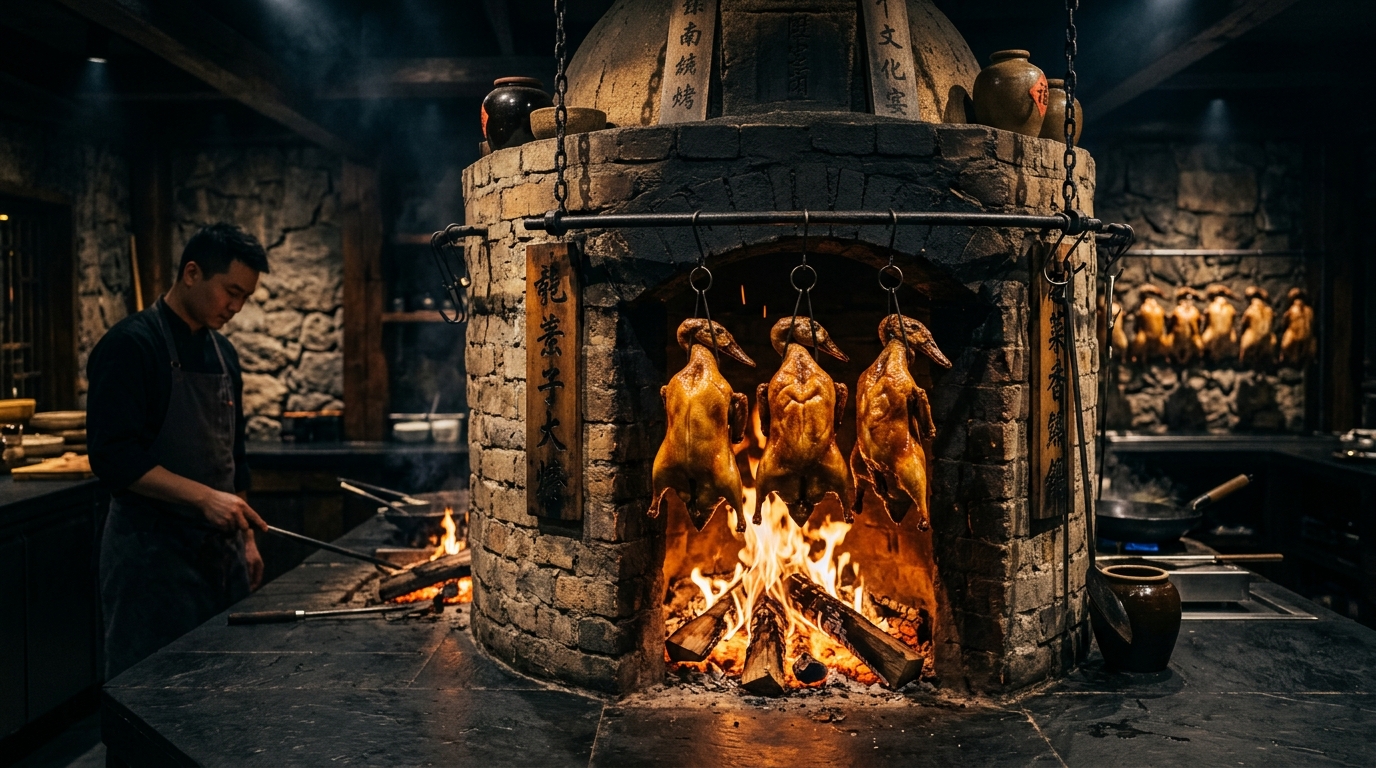
The project confirmed four non-negotiable controls: blank-making method, drying time, roast equipment and timing, and temperature discipline. Ducks dried for 24 hours and 48 hours do not behave the same way. Different ovens do not tolerate the same glaze ratio or roasting rhythm.
In a tightly regulated market like Switzerland, this level of adjustment is not optional. Technical mistakes create waste, inconsistency, and liability. A global roast duck program therefore has to travel with process intelligence, not just recipes.
The menu was localized without giving up the signature
.webp)
Master Liu did not treat service format as an afterthought. He brought a newer serving and menu design approach shaped by previous U.S. experience, then adapted it for European dining habits in Lausanne so the duck would enter the table in a way local guests could immediately understand and value.
The flavor base remained rooted in tradition, but the menu architecture, pacing, and presentation were designed for premium local acceptance. Seasonal menu thinking was built into the final structure as well, creating a program that could feel refined instead of imported without context.
“The duck must still be recognizably Beijing roast duck. What changes is the way the team controls sourcing, preparation, heat, and presentation in the local market.”
Adapted from Master Liu’s Switzerland rollout notesFrom Swiss market shelves to finished roast duck
.webp)
.webp)
.webp)
.webp)
This is more than a recipe. It is a deployable restaurant system.
The Switzerland project demonstrates the real deliverable behind Duck King: a premium roast duck program that can be translated for new countries without losing the technical signature that makes it worth buying.
Duck-body adaptation and blank-making logic
We adjust process around local duck skin, feather condition, and supply characteristics instead of forcing the wrong bird through the wrong method.
Oven, heat, drying, and glaze calibration
We align equipment, timing, temperature, and drying discipline so the product remains stable and commercially serviceable.
Menu and service localization
We structure the duck for local dining habits, premium table presentation, and seasonal menu relevance instead of exporting a script unchanged.
Launch support for global operators
Training, technical supervision, and rollout thinking are designed to help restaurants build a signature duck line with international credibility.